Powering Down Is Not Giving Up: Japan's Quiet Practice of Mental Renewal
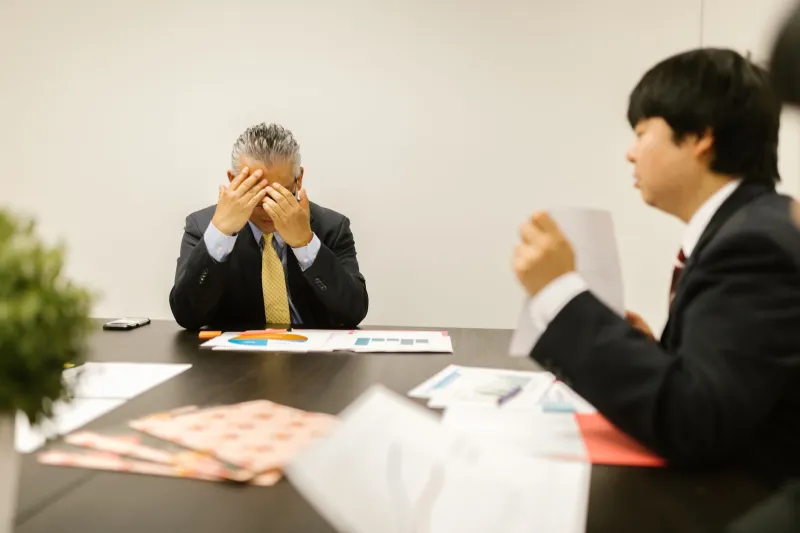
Let's be honest about something. When you close your laptop at 6 p.m. without finishing everything on your list, there's a good chance a small voice in the back of your head calls you lazy. American work culture has spent decades equating presence — physical, digital, mental — with productivity. If you're not grinding, you're falling behind. If you're not available, you're not serious.
Japan, a country not exactly famous for its relaxed attitude toward work, has something quietly interesting to say about this. And it might surprise you.
What Shinkiryoku Actually Means
The Japanese word shinkiryoku (心気力) doesn't have a clean one-to-one translation in English, which is kind of the point. It refers to a combination of mental vitality, the spirit of renewal, and the capacity to bounce back — not after a breakdown, but before one. Think of it less like recovery and more like maintenance. The kind of care you give a car before the engine light comes on, not after it does.
This isn't the same as burnout recovery, which tends to be reactive. You crash, you rest, you crawl back. Shinkiryoku is a proactive mindset — the deliberate practice of replenishing your mental resources so you never fully deplete them in the first place. It's the difference between a phone that gets charged every night and one that only gets plugged in when it hits one percent.
Japanese workers, particularly in traditional office settings, have historically built this into the rhythm of daily life in ways that might look unremarkable from the outside. An evening walk that happens every single day. A commute used entirely for reading fiction, not emails. A weekend morning that belongs to no one else. These aren't luxuries. They're infrastructure.
The Evening as Sacred Territory
Here's something that often gets lost when Americans talk about Japanese work culture: yes, long hours are real and well-documented. But within that same culture exists a deeply held belief that what you do outside of work belongs to you, and that protecting that space is a form of professional integrity, not personal indulgence.
Many Japanese professionals treat their evenings as what you might call a psychological buffer zone. Dinner with family, a bath (ofuro), maybe some television or a book — these aren't fillers between work sessions. They're the thing that makes tomorrow's work possible. There's a reason ofuro culture is so embedded in Japanese daily life. Soaking in a hot bath isn't just hygiene; it's a full-stop signal to the nervous system that the workday is over. The body gets the memo even when the brain is slow to follow.
Contrast that with the average American professional evening: laptop open on the couch, half-watching TV while answering Slack messages, eating dinner over a spreadsheet, falling asleep with a phone in hand. The workday doesn't end — it just gets quieter. And that constant low hum of availability is costing us more than we realize.
Why Real Breaks Feel Uncomfortable (And Why That's the Whole Point)
One of the stranger side effects of always-on work culture is that genuine rest starts to feel wrong. Sit quietly for twenty minutes without a podcast, a scroll, or a task, and most Americans will describe the experience as uncomfortable, even anxiety-inducing. That discomfort isn't a personality flaw. It's a sign of how thoroughly we've been trained to equate stillness with wasted time.
Shinkiryoku asks you to sit with that discomfort anyway — and to recognize it as the sensation of your brain actually downshifting. Neuroscience backs this up in a pretty compelling way. Research on the default mode network, the part of your brain that activates during rest and mind-wandering, shows that this state is far from idle. It's when your brain consolidates information, generates creative connections, and processes complex emotional material. In other words, the moments when you're not actively working are often when your best thinking quietly assembles itself.
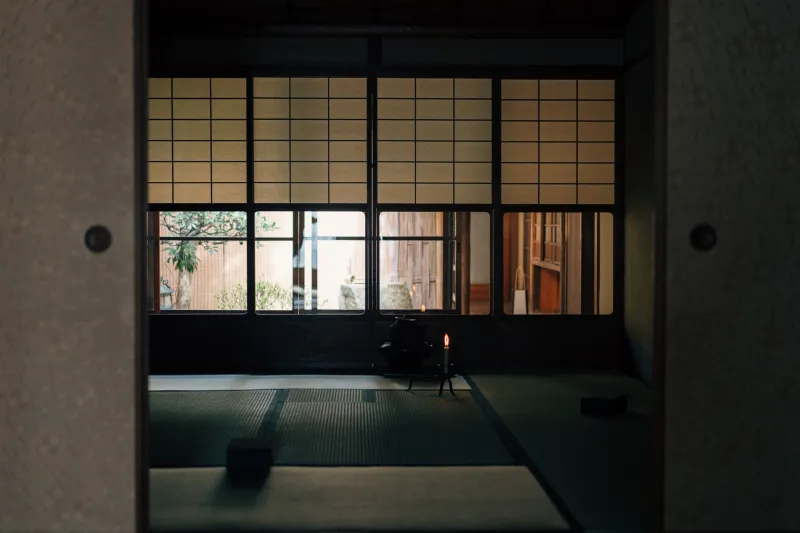
Japanese culture has an intuitive understanding of this. The concept of ma — the productive power of empty space — shows up in art, architecture, music, and, yes, in how people structure their days. A pause isn't an absence of something. It's a space that holds meaning.
Practical Ways to Actually Do This
Talking about rest is easy. Building it into an American professional life that runs on urgency and availability is harder. Here are a few approaches worth trying, drawn from the spirit of shinkiryoku rather than a rigid routine.
Set a shutdown ritual, not just a shutdown time. Closing your laptop at 7 p.m. means nothing if you spend the next hour mentally rehearsing tomorrow's meeting. A shutdown ritual — writing tomorrow's top three priorities, closing all browser tabs, physically tidying your workspace — gives your brain a concrete signal that the workday has ended. It sounds small. It works.
Protect at least one weekend morning as yours alone. Not for errands, not for catching up on email, not for anything productive in the conventional sense. A walk, a long breakfast, a trip to a farmer's market with no agenda. Japanese professionals who do this consistently tend to describe Monday mornings as something they actually look forward to. That's not an accident.
Try a no-phone window in the evening. Even 90 minutes of genuinely offline time — not airplane mode while you watch Netflix, but actually disconnected — changes the quality of your sleep and the clarity of your thinking the next morning. Start small. Twenty minutes. Work up from there.
Let boredom happen. This one's the hardest. The next time you're waiting in line, sitting in a parking lot, or eating lunch alone, resist the pull to fill it. Let your mind wander. Notice what it drifts toward. That wandering is shinkiryoku in its most natural form.
The Paradox You'll Actually Experience
Here's the thing that nobody warns you about when you start genuinely protecting your off-hours: you will feel guilty at first, and then you will feel better at work than you have in years. Not marginally better. Noticeably better. Your ideas will come faster. Your patience will last longer. Your decisions will feel less like guesses.
That's not a coincidence. It's the return on an investment you've been too busy to make.
Japan didn't invent rest. But it has, in its own way, preserved a cultural respect for renewal that a lot of American professionals have quietly lost — and are starting to realize they need back. Closing your laptop tonight isn't laziness. It might be the most strategic thing you do all day.