Kanso: The Ancient Japanese Simplicity Principle That Makes Decluttering Trends Look Shallow
Simplicity Has Been Trending for a While — But Are We Doing It Wrong?
Every few years, a new wave of minimalism sweeps across American culture. We binge documentaries about tiny homes. We buy books with soft-cover neutrals and promises of life-changing magic. We spend a weekend tossing things into donation bags, feel great for about two weeks, and then slowly watch the clutter creep back in.
Here's the thing: that cycle isn't really a failure of willpower. It's a sign that the version of minimalism most of us have been sold is missing something fundamental.
Enter kanso (簡素) — a Japanese aesthetic principle that's been quietly shaping architecture, fashion, interior design, and daily life in Japan for centuries. And no, it's not just another word for "own less stuff."
What Kanso Actually Means
Kanso is one of seven core principles in the traditional Japanese aesthetic philosophy known as wabi-sabi, though it also appears prominently in Zen Buddhism and Japanese design theory. The word roughly translates to "simplicity" or "elimination of the unnecessary," but the nuance matters enormously.
Where Western minimalism often becomes about a visual outcome — white walls, capsule wardrobes, countertops with nothing on them — kanso is about intentionality at the source. It's not asking, "Does this spark joy?" It's asking something quieter and more demanding: Why does this exist here at all?
Kanso isn't performed for aesthetics. It emerges from a genuine stripping away of anything that doesn't serve a clear, honest purpose. The result might look minimal, but that's almost a side effect rather than the goal.
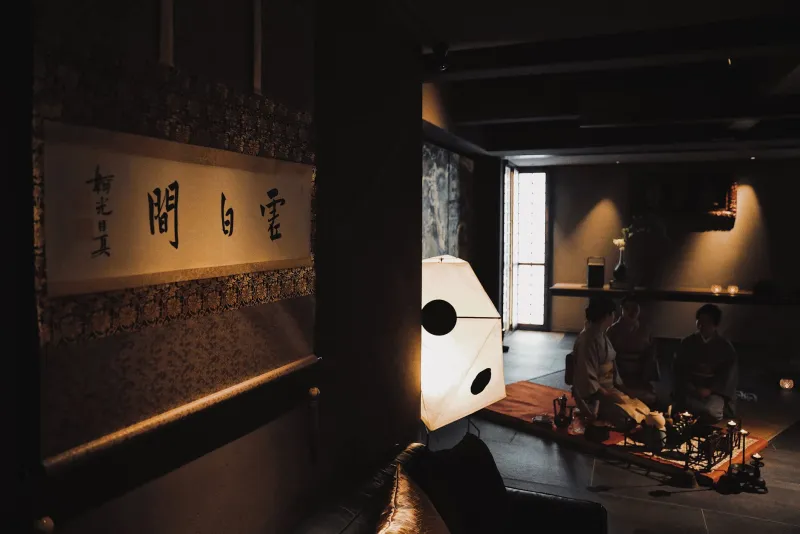
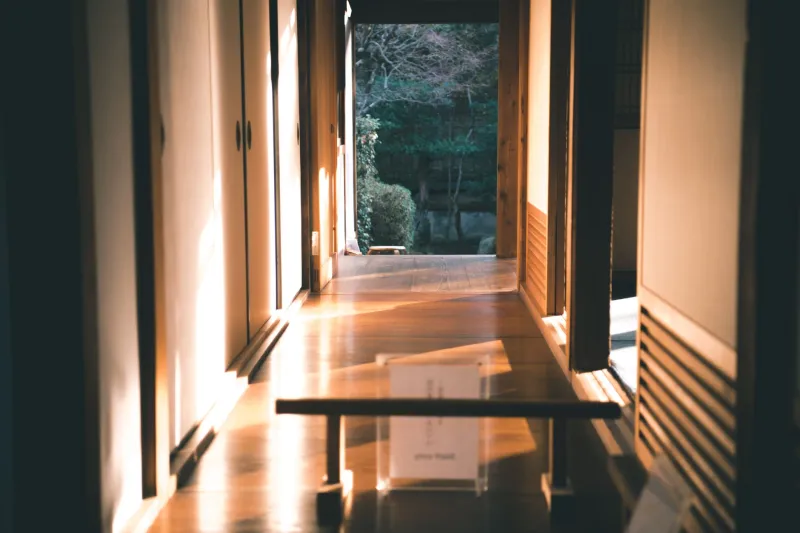
Think about traditional Japanese architecture for a second. A shoji screen isn't just a pretty room divider. It diffuses natural light, defines space without closing it off, and can be removed entirely when the function of a room changes. Every element earns its place. Nothing is decorative in the frivolous sense — beauty and function are the same thing.
The Decision Fatigue Connection
Here's where kanso gets really relevant for modern American life: it's a direct antidote to decision fatigue.
Research has shown that the average adult makes somewhere around 35,000 decisions per day. What to wear, what to eat, which route to take, which email to answer first — our brains are constantly cycling through options. And the more options we have, the more mental energy we burn before we even get to the things that actually matter.
Kanso, applied practically, reduces the number of decisions that need to be made in the first place. Not by restricting your life, but by designing it so that unnecessary choices simply don't exist.
The late Steve Jobs famously wore nearly the same outfit every day — a choice often cited as a quirky productivity hack. But in Japan, this kind of simplified personal uniform has been a quiet cultural norm for generations, rooted not in productivity optimization but in kanso thinking. A traditional craftsman might wear the same style of work clothes daily, not because they're boring, but because the clothes are right for what they do, and there's no reason to complicate that.
Kanso in Japanese Daily Life — And What Americans Can Actually Borrow
You don't need to gut your apartment or adopt a ten-item wardrobe to bring kanso into your life. Some of the most meaningful applications are surprisingly small.
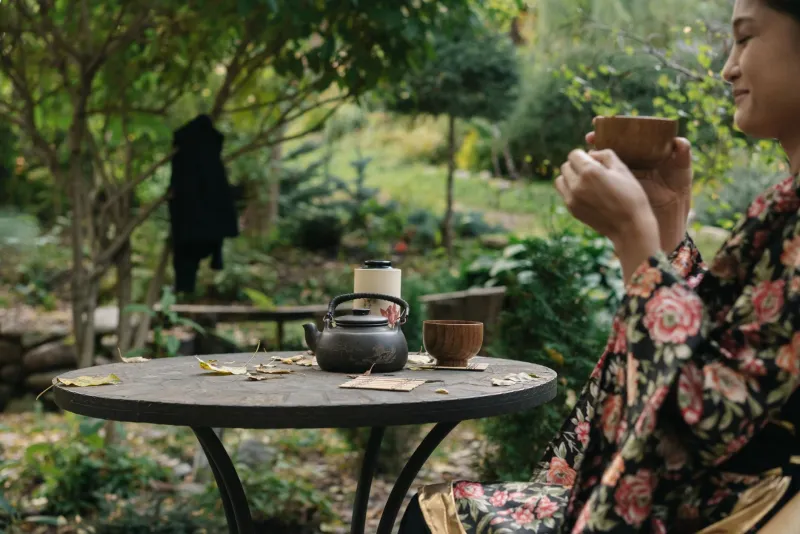
In the kitchen: Japanese home cooking tends to involve fewer ingredients used with more skill. A bowl of tamago gohan (egg over rice with a splash of soy sauce) is a beloved everyday meal — simple, satisfying, and requiring almost no decision-making. Instead of stocking your pantry with fifty different sauces and condiments, try mastering a handful of flavor combinations you genuinely love and use regularly.
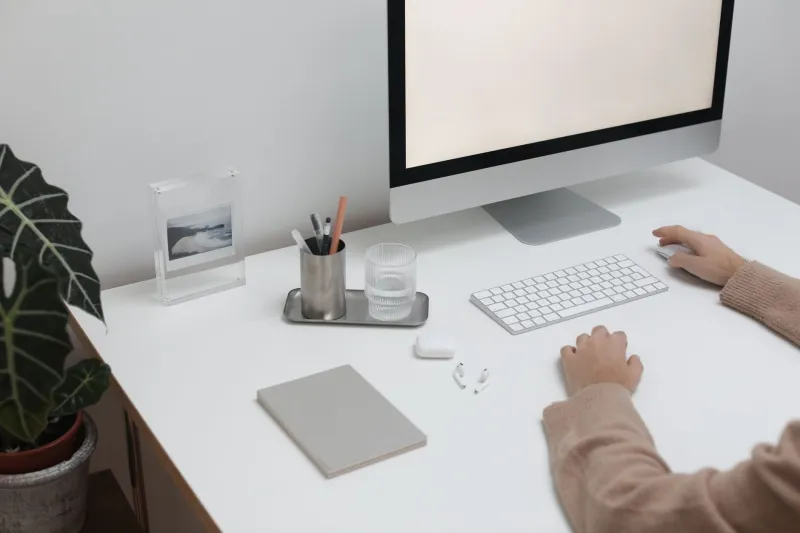
In your workspace: Look at your desk or home office. Kanso asks not "is this tidy?" but "what is actually needed here to do the work?" A traditional Japanese calligrapher's workspace includes ink, a brush, paper, and maybe a small stone rest. Everything else is somewhere else. Try applying that logic to your actual working surface — not as a performance of productivity, but as a genuine question about what helps you think.
In your wardrobe: Rather than attempting a dramatic capsule wardrobe overhaul, start by identifying what you reach for repeatedly. In Japan, quality over quantity is deeply embedded in clothing culture — a well-made piece worn often is valued far more than a closet stuffed with options. Buy less, but buy things that genuinely fit your life as it actually is.
In your home's visual landscape: Japanese interiors often feature tokonoma — a small, carefully curated alcove where a single piece of art or an arrangement of flowers is displayed. The surrounding space is deliberately kept clear so that one beautiful thing can actually be seen. You don't need a tokonoma specifically, but the principle is worth stealing: instead of displaying everything you love all at once, choose one or two things to highlight and let them breathe.
Why This Hits Different Than a Decluttering Challenge
The reason kanso can feel more sustainable than a typical decluttering binge is that it's not event-based. It's not a weekend project or a New Year's resolution. It's a quiet, ongoing question you start asking about your environment, your habits, and your commitments.
When you internalize kanso thinking, you start to notice complexity before it accumulates. You pause before adding something new to your space — or your schedule. That pause is everything.
American culture tends to frame simplicity as sacrifice. Kanso reframes it as clarity. There's a big difference between feeling like you gave something up and feeling like you finally got out of your own way.
Start Small, Think Differently
If you want to experiment with kanso today, don't start with your closet or your kitchen. Start with one surface — a nightstand, a bathroom counter, a corner of your desk — and ask honestly: what is actually serving a purpose here? Not what could serve a purpose, not what you paid good money for, not what might come in handy someday. What is earning its place right now?
That single question, asked slowly and genuinely, is more kanso than any number of donation bags.
Simplicity, the Japanese way, isn't about having less. It's about being more deliberate about what you allow in. And in a world that profits from your distraction and overwhelm, that kind of quiet intentionality might be the most radical thing you can practice.