Stop Filling Every Gap in Your Day — The Japanese Concept of Ma Might Be What Your Brain Is Desperately Craving
The Calendar That Never Breathes
Let's be honest about something: most of us have a complicated, codependent relationship with our schedules. We fill them to the brim. We double-book. We answer emails during lunch, take calls during commutes, and scroll through Slack notifications at 10 p.m. just to feel like we're keeping up. And when a rare gap does appear — a meeting gets canceled, a flight is delayed — our first instinct is to immediately fill it with something else.
We've been sold the idea that productivity is a volume game. More hours, more output, more hustle. But what if that entire framework is, to put it gently, completely wrong?
In Japan, there's a concept called ma (間) that offers a radically different perspective. And once you understand it, you'll never look at your calendar — or your living room, or your workday — the same way again.
What Is Ma, Exactly?
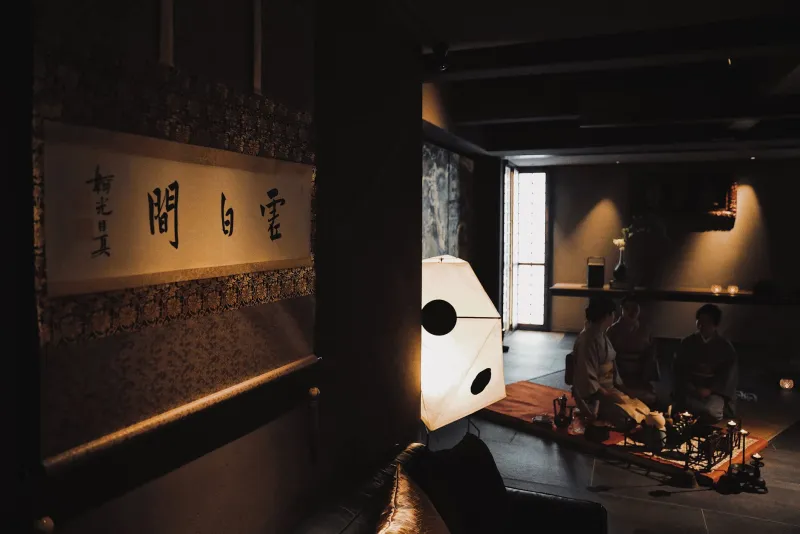
Ma is one of those Japanese concepts that resists clean translation, which is part of what makes it so interesting. Literally, the character means "gap," "pause," or "space between." But in practice, it describes something more dynamic: the meaningful emptiness between things. The silence between musical notes. The negative space in a painting. The pause before a response in conversation. The breath between movements in martial arts.
Ma isn't absence. It's active absence — space that is purposefully left open because its emptiness is what gives everything around it meaning and room to breathe.
In Japanese architecture, ma shows up in the deliberate use of empty rooms, uncluttered entryways, and garden designs where as much thought goes into what's not planted as what is. In music, it's the rests that make the notes meaningful. In conversation, it's the silence that signals respect and careful thought rather than awkwardness.
And in work and daily life? Ma is the intentional pause. The white space in your schedule. The lunch break you actually take. The commute where you don't listen to anything at all.
Why Hustle Culture Is Basically Anti-Ma
Here's the uncomfortable truth: American professional culture has declared war on ma. We celebrate people who sleep four hours and still reply to emails at midnight. We treat busyness as a status symbol — the more packed your schedule, the more important you must be. "I've been absolutely slammed" has become a humble-brag, and rest has been rebranded as laziness.
The result? Burnout rates in the U.S. are at record highs. A 2023 Gallup survey found that nearly half of American workers reported feeling burned out at least sometimes — and a significant chunk reported it happening often. We're working more and, in many cases, producing less meaningful work because our brains never get the recovery time they need to actually perform.
This is where ma becomes less of a philosophical curiosity and more of a practical lifeline.
What the Research Actually Says About Doing Less
Neuroscience has been quietly building a case for ma for years, even if nobody called it that. Studies on the brain's default mode network — the mental state activated during rest and mind-wandering — show that this "idle" time is when the brain consolidates learning, makes creative connections, and processes complex emotions. In other words, your brain does some of its best work when you think it's doing nothing.
Creativity researchers have long noted that major breakthroughs tend to happen not during intense focus sessions, but in the shower, on a walk, or right before sleep — classic ma moments. The insight doesn't come from pushing harder. It comes from stepping back.
Japan's own relationship with work is complicated and evolving (karoshi, or death from overwork, is a very real and very serious problem there), but the cultural concept of ma represents a philosophical counterweight — a reminder embedded in the language itself that emptiness has value.
How to Actually Practice Ma in an American Life
Protect the Gaps in Your Calendar
Stop treating unscheduled time as a mistake. When a meeting gets canceled, resist the urge to immediately fill the slot. Let it be open. Use it to think without an agenda, take a walk, or simply sit with a cup of coffee and let your mind wander. This isn't wasted time — it's the mental equivalent of leaving soil fallow so it can recover its nutrients.
Build Transition Time Between Tasks
One of the most practical applications of ma is simply giving yourself five to ten minutes between back-to-back obligations. Instead of jumping straight from one Zoom call to the next, close your laptop for a few minutes. Step outside. Breathe. This micro-pause helps your brain shift gears properly rather than carrying the cognitive residue of one task into the next.
Practice the Art of the Considered Response
In Japanese communication, a thoughtful pause before responding is a sign of respect — it signals that you're actually processing what was said rather than just waiting for your turn to talk. Try this in meetings, in conversations with your team, even in text messages. Not every response needs to be instant. The pause itself communicates care.
Declutter One Space and Let It Stay Empty
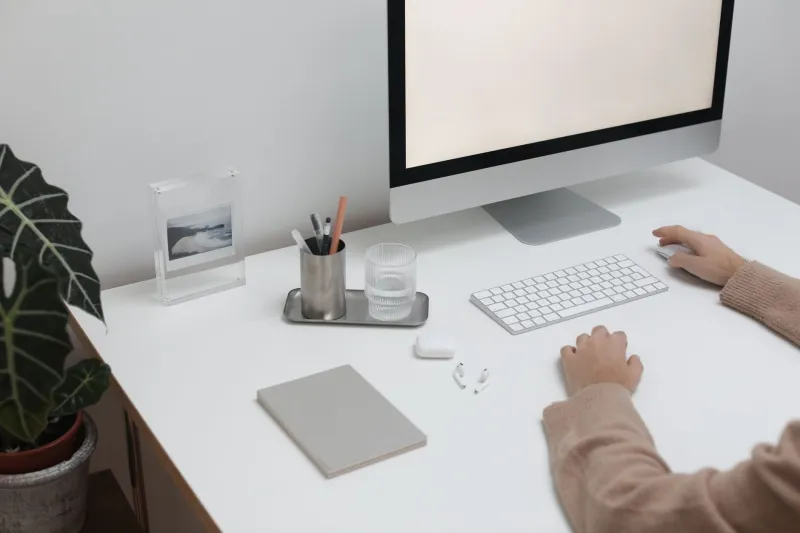
Take the principles of ma into your physical environment. Pick one surface — a desk corner, a shelf, a windowsill — and clear it completely. Then leave it empty. Resist the urge to fill it. Notice how that open space changes the feeling of the room and, interestingly, how it changes the way you feel when you work or relax nearby. Emptiness, when intentional, is calming in a way that clutter never can be.
Schedule Rest Like It's a Meeting
If something isn't on your calendar, it doesn't happen — that's the painful reality of modern scheduling. So put rest on the calendar. Block out lunch as a non-negotiable. Schedule a 20-minute walk in the afternoon. Mark one evening per week as genuinely screen-free. Treat these blocks with the same respect you'd give a client call, because your brain deserves at least that.
The Counterintuitive Path to Better Work
Here's the thing about ma that hustle culture can't quite compute: doing less, strategically, often leads to doing better. The writer who takes a long walk produces sharper prose. The executive who actually disconnects on weekends makes clearer decisions on Monday. The designer who leaves white space on the page creates something more powerful than one who fills every corner.
Ma teaches us that the pause is not the opposite of productivity — it's the source of it. The gap is not a problem to solve. It's the space where the good stuff actually happens.
So the next time your calendar has an unexpected opening, maybe don't rush to fill it. Sit in the ma for a minute. You might be surprised what shows up.